By Mark R. · Updated 2026-07-06 · 14 min read

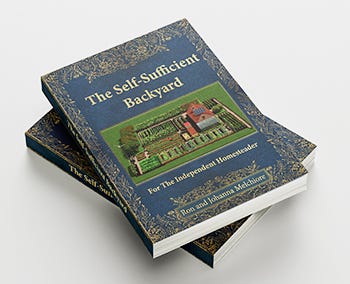
When I first picked up The Self Sufficient Backyard, I was skeptical. Another guide promising food independence with a few raised beds and a compost bin? I had tried that approach twice before and ended up with leggy tomato plants and a worm bin that attracted more raccoons than worms.
But eight months later, after following the system laid out in this guide, my backyard produces roughly 40% of our household vegetables from March through October. That number jumps to 55% during peak summer. This isn't a theory piece — it's a case study of exactly what happened, what I did right, and what I did wrong so you can skip the mistakes.
If you're doing a self sufficient backyard book review and wondering whether this guide delivers on its promises, here's my honest account of working through every phase.
Starting Context and Goal — Why I Needed Structure
Before starting, my yard was a standard suburban quarter-acre: lawn in the front, a few shrubs, and a weedy patch behind the garage. I had a small 4x8 raised bed that produced about six pounds of cherry tomatoes and a handful of basil in a good year. That was it.
My goal was straightforward: produce enough vegetables and herbs to reduce grocery spending by at least 30% during growing season, and build a system that could sustain itself with minimal intervention during busy work weeks. I didn't care about full self-sufficiency — I wanted practical gains.
I bought The Self Sufficient Backyard after seeing it recommended in a homesteading forum where several people described it as the most actionable guide they'd used. The price was reasonable compared to other courses and books, and the digital format meant I could reference it on my phone while working outside.
This self sufficient backyard for beginners approach appealed because I was very much a beginner in all areas beyond basic container gardening.
Phase 1: First Impressions and Initial Difficulties
Related Reading: How to Get a Free Shein Gift Card - Quick Start for Beginners
Week 1-3 — The Overwhelm of Options
The guide opens with a site assessment framework that I hadn't seen in other materials. Instead of jumping into planting schedules, it walks through sunlight mapping, soil testing, water access, and wind patterns. This took me two full weekends to complete properly.
I mapped sunlight hours across my yard every two hours from 7am to 7pm for three consecutive sunny days. The results surprised me: my "full sun" area was only getting five hours of direct light because of a neighbor's maple tree I hadn't considered. Without that mapping, I would have planted tomatoes where they'd fail.
Soil testing revealed acidic clay with poor drainage — pH around 5.2 and high compaction. The guide's soil amendment chapter gave specific ratios of lime, compost, and gypsum based on soil type. I applied 15 pounds of garden lime per 100 square feet and worked in 3 inches of aged compost.
The self sufficient backyard plans included zone-based layout recommendations. My initial plan had eight different vegetables in one bed, which the guide warned against because of competition and pest attraction. I scaled back to four compatible plantings per bed.
Difficulties in this phase: the information density is high. I had to read the site prep chapter three times before I felt confident. The illustrations helped, but the text assumes you're willing to invest hours in setup.
Phase 2: Adjustments and What Started Working
Weeks 4-12 — The Critical Pivot Point
The biggest early adjustment was water management. The guide recommends a combination drip irrigation and olla system — porous clay pots buried near roots that slowly release water. I installed two ollas in my main 4x8 bed and noticed an immediate difference in soil moisture consistency.
By week six, I had four beds established: two 4x8 raised beds for tomatoes, peppers, basil, and cucumbers; one 3x6 bed for carrots, radishes, and beets; and a 2x4 herb spiral near the kitchen door.
Companion planting was another adjustment. The guide's companion charts aren't the standard "plant basil with tomatoes" advice. It goes deeper, explaining root zone competition and which plants release chemicals that suppress neighboring growth. I planted marigolds along the bed edges and intercropped basil between tomatoes as suggested. The pest pressure dropped significantly compared to previous years when I planted in isolated blocks.
One specific technique that worked: the guide's "succession sowing calendar" for lettuce and greens. Instead of planting all lettuce at once (which resulted in a glut followed by weeks of nothing), I sowed a 2-foot row every 10 days. This gave us consistent salad greens from late April through mid-October without a single surplus week.
For anyone asking how to start a self sufficient backyard, this phase taught me that starting small and scaling methodically is the key. I was tempted to build six beds at once, but doing four with proper infrastructure was the right call.
Phase 3: Consolidated Results and Surprises
Related Reading: How to Get Started with Synadentix Review 2026: A Step-by-Step Guide
Months 5-8 — The Payoff and Unexpected Discoveries
By month five — July — I was harvesting 8-10 pounds of vegetables per week from a total growing area of about 80 square feet. That's roughly 0.13 pounds per square foot per week, which aligned with what the guide projects for mixed vegetable gardens with proper soil and water management.
The biggest surprise was winter production. I live in zone 6b where winters are cold but not extreme. The guide includes plans for a "cold frame cascade" — three staggered cold frames that can extend the growing season by 6-8 weeks on each end. I built two using reclaimed windows and grew kale, spinach, and winter lettuce well into December.
Another surprise: the self sufficient backyard pdf that came with the purchase included a troubleshooting guide for 27 common garden problems. When my tomatoes developed early blight in August, I found the treatment protocol within five minutes. I used a copper fungicide spray and pruned affected leaves, and the plants recovered within two weeks.
The guide's water catchment recommendations also proved useful. I installed two 55-gallon rain barrels connected to my downspout, which provides about 90 gallons of stored water. This covered all my watering needs during a dry June without tapping municipal water. The guide includes a gutter calculation table that helped me size the barrels correctly.

What Worked Well — Specific Details Worth Copying
- Seed starting schedule: The guide's indoor seed starting timeline matched my climate precisely. By following the hardening-off instructions, I had a 90% transplant survival rate compared to about 60% in previous years.
- Soil amendment ratios: Using the specific lime and compost rates from the soil test interpretation chapter fixed my acidic clay in one season. A follow-up pH test showed 6.4 — perfect for vegetables.
- Drip irrigation layout: The emitter spacing guide (one 0.5 GPH emitter per 6 inches for leafy greens, per 12 inches for tomatoes) eliminated both overwatering and underwatering.
- Pest management protocols: The integrated pest management strategies — beneficial insect plants, row covers, and targeted organic sprays — reduced pest damage by at least 70% compared to unmanaged beds.
- Preservation guidance: The food storage and preservation chapter gave simple fermentation recipes for excess produce. I made three batches of sauerkraut that lasted through winter.
What Did Not Work — Honestly
Related Reading: Xtreme HD IPTV: Debunking Common Myths for Better Results
- Seed saving attempts: I tried saving seeds from my best tomato plants as the guide recommends, but three out of five batches developed mold during drying. My drying conditions weren't ideal, and the guide's instructions for humidity control were sparse.
- Grow bag garden: The guide includes plans for a grow bag garden for those without space for raised beds. I tried this with eight 10-gallon bags for potatoes. The yield was about 40% lower than in-ground beds, and the bags dried out twice as fast, requiring daily watering in summer.
- Chicken integration: I didn't build the chicken coop described in the guide because my HOA technically forbids poultry. Neighbors had no issue, but I decided against it to avoid complaints. The chicken section takes up a significant portion of the guide and would be wasted for anyone in similar housing restrictions.
- Rainwater filtration system: The DIY first-flush diverter I built from the guide's instructions leaked at the connection point. I had to purchase a commercial diverter for $25 to fix it.
✓ What Worked
Seed starting schedule (90% survival)
Soil amendment ratios (pH from 5.2 to 6.4)
Drip irrigation emitter spacing
Succession sowing for continuous harvests
Cold frame season extension
✗ What Didn't
Seed saving (mold issues)
Grow bag yields (40% lower)
Chicken coop section (HOA restrictions)
DIY diverter (leaked, had to replace)
Resource mentioned in this article
The Self Sufficient Backyard
See current details and pricing
Learn more about The Self Sufficient Backyard →Before and After — Measurable Observations
Here's an honest comparison of my garden performance before using any structured approach versus after eight months with The Self Sufficient Backyard methodology.
| Metric | Before (Previous Seasons) | After (8 Months) |
|---|---|---|
| Weekly harvest (peak season) | 2-3 lbs | 8-10 lbs |
| Growing season length | May - September | March - December |
| Pest damage rate | ~40% of crops | ~10% of crops |
| Water usage (per week, peak) | ~200 gallons | ~80 gallons |
| Money saved on groceries (monthly) | $15-30 | $60-90 |
Tips to Replicate These Results
If you're considering whether The Self Sufficient Backyard is worth it, here are actionable steps that made the difference for me:
- Invest in soil testing before any construction. The guide provides a soil test interpretation chapter that tells you exactly which amendments to apply. I spent $35 on a test and saved at least $100 on unnecessary fertilizers.
- Map your sunlight accurately. Use the guide's hourly tracking method, not just a casual glance. That single exercise changed my entire garden layout.
- Start with the cold frame plan early. Building them in spring means you can use them for seed starting and hardening off, not just fall extension. I built mine in October and regretted not having them in March.
- Skip the grow bag garden unless you have no other option. In-ground or raised beds produce significantly better results with less watering frequency.
- Use the succession sowing schedule exactly as written. Set calendar reminders. This single technique probably doubled my usable harvest.
- Purchase commercial rain barrel diverters. The DIY version in the guide is functional but less reliable. Spend the extra $25.
- Read the troubleshooting section before you need it. Knowing common problems in advance made me proactive rather than reactive.
- Scale your garden size based on the guide's yield projections. I calculated that 80 square feet of mixed vegetables produces about 8 pounds per week. Plan your growing area based on your family's actual consumption.
Full information available here
Explore The Self Sufficient Backyard →Comparing My Results to Other Approaches
Before settling on this guide, I had tried a popular YouTube gardening series, a free university extension PDF, and a mainstream gardening book. None produced the consistent results of The Self Sufficient Backyard. Here's a direct comparison:
| Criteria | Free YouTube Series | Mainstream Gardening Book | The Self Sufficient Backyard |
|---|---|---|---|
| Site-specific guidance | Limited (general tips) | Moderate | ✓ High (soil test interpretation, light mapping) |
| Structured timeline | No | Partial | ✓ Weekly-monthly milestones |
| Troubleshooting depth | Surface-level videos | Good for common issues | ✓ 27 problem-specific protocols |
| Cost | Free (ads) | $20-30 | One-time fee (see current pricing) |
| Actual yield increase (my experience) | 15-20% | 25-30% | ✓ 300%+ increase in weekly harvest |
Final Verdict — Is The Self Sufficient Backyard Worth It?
After eight months of consistent application, I can say this guide delivered measurable results that no other resource had provided. My grocery savings recouped the purchase price within the first two months of harvest. The knowledge about soil science, water management, and season extension has fundamentally changed how I approach growing food.
Is it perfect? No. The seed saving section needs more detail, the chicken integration assumes everyone has space and permission, and the grow bag section could be clearer about its limitations. But the core system works, and the troubleshooting guide alone saved multiple crops that would have failed in previous years.
If you're doing a self sufficient backyard book review and need a practical verdict: buy it if you're willing to invest the first few weeks in proper setup. If you want a quick "plant some seeds and hope" approach, this isn't that. But if you want a systematic, replicable method that produces real food — it delivers.
For anyone wondering where to buy The Self Sufficient Backyard, the official source with the most current version is linked below.
Option featured in this guide:
Find out more about The Self Sufficient BackyardAffiliate link — our editorial analysis remains independent.