Analysis by Alex R. · Reviewed 2026-07-04 · 8 min read
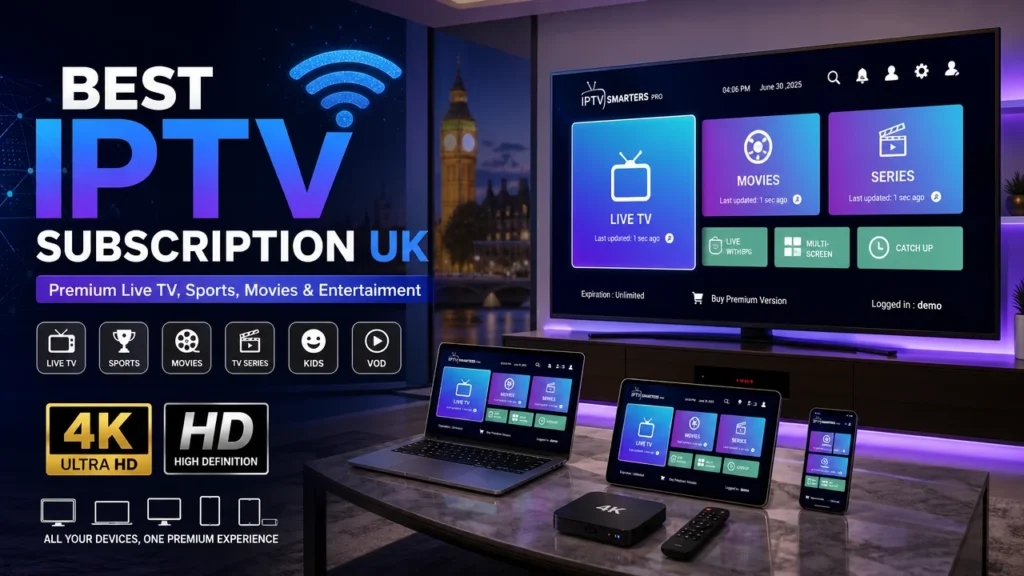
Internet Protocol Television (IPTV) is revolutionizing how we consume TV, streaming live programming over an internet connection rather than through traditional cable or satellite services. Yet, misconceptions about IPTV can hinder its adoption and use, particularly when users are misinformed about its capabilities and operations. In this article, we’ll debunk common myths about IPTV, clarifying the reality for potential users.
Understanding what IPTV entails and how it functions will equip you with the necessary insights to differentiate it from traditional cable television. With the rise of IPTV services, it’s crucial to shed light on the misconceptions that often cloud its reputation and function.
Why Misconceptions Damage Results
Misconceptions around IPTV can lead to incorrect expectations, ultimately resulting in user dissatisfaction. These myths can deter users from exploring legitimate IPTV options, limiting their access to affordable and flexible entertainment choices. Moreover, the stigma attached to IPTV can cause users to miss out on the variety of channels and packages that may suit their entertainment needs.
Myth 1: IPTV Is Illegal
Related Reading: How to Get Free Steam Gift Cards - A Beginner's Guide
This common belief stems from the prevalence of unauthorized IPTV services that offer pirated content. However, not all IPTV services are illegal. There are numerous legal IPTV providers that offer licensed content for a subscription fee. For instance, services like Hulu Live TV and Sling TV operate within legal frameworks, providing users access to live channels and on-demand content.
Myth 2: IPTV Requires Expensive Equipment
Many think that subscribing to IPTV means investing in expensive hardware similar to traditional cable setups. In reality, IPTV can be accessed on various devices such as smartphones, tablets, Smart TVs, and streaming boxes like Firestick. This flexibility allows users to watch their favorite channels without needing costly proprietary equipment.
Myth 3: IPTV Offers Poor Quality
Related Reading: Getting Started with the Best IPTV Service: A Step-by-Step Guide
Another misconception is that IPTV services compromise on quality compared to cable TV. In fact, many reputable IPTV services provide high-definition (HD) and even 4K streaming options. This results in a viewing experience that rivals traditional methods. Users can often find reviews online, such as on forums like Reddit, that share positive experiences regarding IPTV quality.
Myth 4: IPTV Channels Are Limited
While early IPTV offerings were often limited in channels, the modern landscape includes a vast array of options. Users can find comprehensive IPTV channels lists that cover sports, news, movies, and more, rivaling or even exceeding traditional cable offerings. It’s essential for users to research available channels before subscribing to ensure they meet their viewing preferences.
Myth 5: IPTV Is Complicated to Set Up
Related Reading: Oradentum Reviews: An In-Depth Guide for Users
Many people believe that setting up IPTV requires technical know-how. However, most services offer user-friendly applications that facilitate easy setup. For example, configuring IPTV on a Smart TV or Firestick can typically be done in a few straightforward steps. Users can find guides online that walk them through the setup process seamlessly.
What Actually Works Based on Evidence
Research and user feedback indicate that legitimate IPTV services are not only viable but increasingly popular. Many users report satisfaction with their IPTV subscriptions, leading to a strong demand for diverse options. Platforms that provide user reviews, such as IPTV review Reddit discussions, can be invaluable for prospective subscribers in evaluating services.
| Popular Belief | Reality |
|---|---|
| IPTV is illegal. | Many legal providers exist. |
| Requires expensive equipment. | Accessible on various devices. |
| Offers poor quality. | High-definition options available. |
| Channels are limited. | Wide selection of channels exists. |
| Is complicated to set up. | Simple setup process available. |
what is iptv tv
Compare retail cost-to-value allocation grids and complete zero-risk hardware warranties.
BUY NOW →
FAQs
1. What are the benefits of using IPTV over cable TV?
IPTV offers flexibility in viewing options, allowing users to watch on multiple devices and providing access to a broader range of channels. Additionally, it often presents a more cost-effective solution without long-term contracts.
2. How does IPTV work?
IPTV works by streaming television content via the internet, delivering channels directly to your device using a broadband connection. Unlike traditional cable, which broadcasts signals through coaxial cables, IPTV uses Internet protocols to transmit data.
3. Are there any legal IPTV providers?
Yes, there are many legal IPTV providers available. Services such as Hulu Live TV, YouTube TV, and Sling TV are examples of reputable platforms that offer licensed content for a subscription fee.
4. Do I need special hardware to use IPTV?
No, most IPTV services can be accessed through any device with internet capability, including Smart TVs, tablets, smartphones, and streaming devices, making it easy for users to watch their favorite channels without needing special equipment.
5. How do I set up IPTV on my Smart TV?
To set up IPTV on your Smart TV, download the IPTV app from your Smart TV's app store. After installation, input your IPTV subscription details, and follow the prompts to configure it. Many services also offer setup guides to ensure your configuration is successful.
6. Can I use IPTV on multiple devices simultaneously?
Yes, many IPTV services allow simultaneous streaming on multiple devices, though the number of devices varies by provider. This feature allows you and your family to enjoy different channels at the same time.
7. What's the average cost of an IPTV subscription?
The cost of IPTV subscriptions can vary widely based on the provider, package, and channel offerings. Typically, you can expect to pay anywhere from $10 to $50 per month, depending on the services you choose.
8. How do I find the best IPTV service for my needs?
To find the best IPTV service, research options that fit your viewing habits. Look for user reviews, compare channel lists, and check for trial periods to gauge which service offers the best value for your preferences.
Conflict Matrix Disclaimer: This resource preserves premium integration paths. Editorial assessments track pure data baselines natively.